Cuban Bakery Aurora CO: Discover Your Next Favorite Pastry
There is a particular kind of anticipation that comes with walking into a good bakery before you have even seen the pastry case. You catch the butter first. Then sugar, toasted flour, maybe guava if the kitchen leans Cuban, maybe cinnamon if someone has just pulled a tray of sweet rolls from the oven. A strong bakery does not need much time to make its point. One breath usually does it.
That is why the search for a great Cuban bakery Aurora CO can feel more personal than practical. You are not simply looking for breakfast. You are looking for texture, balance, freshness, and the kind of baking that understands restraint. The best Cuban pastries are never just sweet. They carry salt from the dough, tang from the filling, crackle from a sugared top, and that unmistakable richness that comes from laminated or enriched dough handled by someone who knows when to stop touching it.
Aurora’s food scene has grown steadily, and with that growth comes more room for neighborhood bakeries that serve communities with real depth rather than trend-driven novelty. Cuban baking fits beautifully into that landscape. It is generous, familiar, celebratory, and deeply rooted in everyday life. A bakery can be where someone grabs a quick café con leche before work, where a family picks up pastries for Sunday, or where a newcomer gets their first proper guava-and-cheese pastry and immediately understands why people become loyal.
If you are trying to find your next favorite pastry, it helps to know what to look for beyond a pretty display case.
What makes a Cuban bakery worth the trip
A true Cuban bakery experience is built on rhythm. There is morning traffic, regulars who know exactly what they want, trays rotating in and out, and a staff that often moves quickly because the demand is real. The pastries matter, but so does the pace. Good bakeries feel alive.
What separates a memorable Cuban bakery from an average one usually comes down to three things: dough quality, filling balance, and turnover. Dough should taste like something on its own. That sounds obvious, but it is where many places fall short. If the pastry shell is just a vehicle for sugar, you will notice it immediately. Cuban pastries, whether flaky or soft, should have structure and flavor. The fillings should be present without flooding the pastry. And the case should turn over often enough that what you buy tastes like it was meant to be eaten that day, not rescued from yesterday afternoon.
In practical terms, a Cuban bakery in Aurora has to do more than borrow a few recognizable names. It should understand why those pastries matter. A guava pastry should not be cloying. A cheese filling should offer contrast, not just sweetness. Bread should feel baked for actual meals, not only for display. Even coffee plays a role. A sweet pastry without a strong https://beauneto251.focalledger.com/posts/what-makes-every-visit-to-cuban-bakery-aurora-co-memorable-2 coffee beside it is only half the experience.
The pastries most likely to win you over
People tend to walk into a bakery with assumptions. Maybe they think they already know what they like, maybe they are cautious about fruit fillings, maybe they go straight for whatever looks largest. That is understandable, but Cuban bakeries reward curiosity.
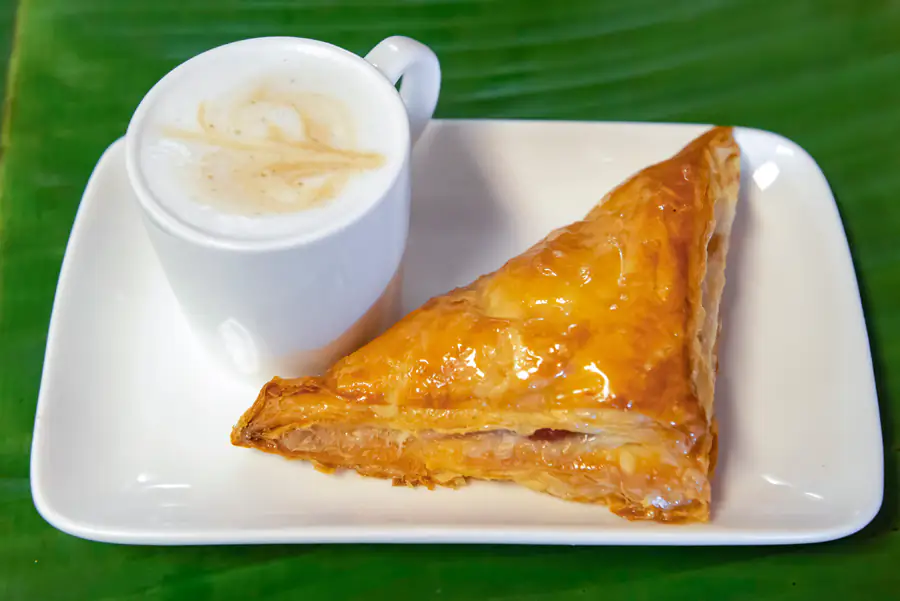
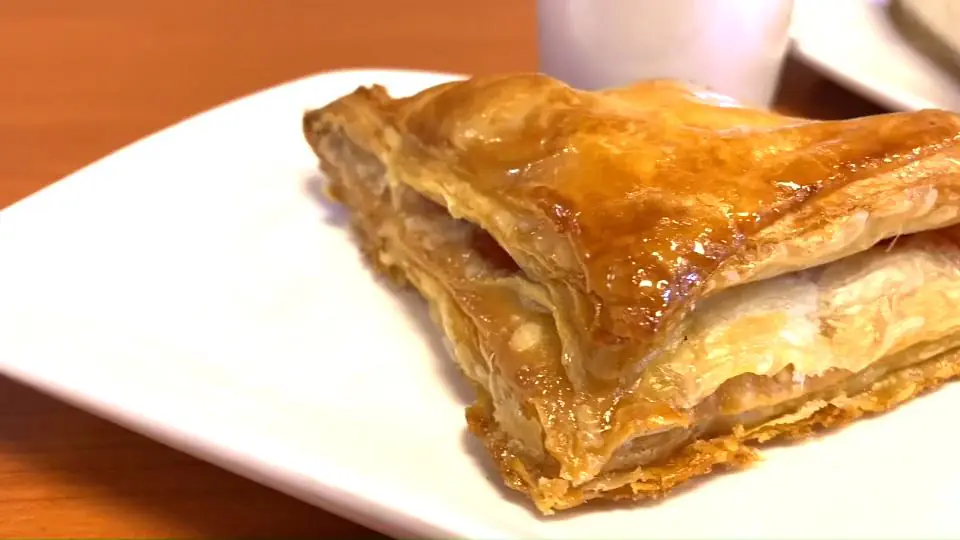
The pastry that converts the most skeptics is usually pastelito de guayaba, often called a guava pastry. It looks straightforward. Then you bite into it and get the contrast that makes it special: delicate layers, sticky fruit, slight acidity, and enough sugar on top to create a thin shell. When it is done well, it is bright rather than heavy. Even people who claim they do not care for fruit pastries often make an exception here because guava has more complexity than standard jam fillings.
Close behind is pastelito de guayaba y queso, the guava-and-cheese version that many regulars would choose if forced to pick only one pastry for the rest of the week. The soft cheese tempers the fruit and rounds out the sweetness. A balanced version tastes almost architectural, with each layer serving a purpose. Too much guava and it becomes sticky and loud. Too much cheese and it loses its lift. When the ratio is right, it is one of the most satisfying bakery pastries anywhere, not just in Cuban baking.
Then there is the Cuban cake style that often surprises first-time visitors. Bakery counters may carry slices or full cakes with fillings such as guava, pineapple, coconut, or dulce de leche, often under whipped frosting rather than the heavier buttercream many people expect. These cakes are festive and nostalgic. They are also easier to eat than they look. A well-made Cuban bakery cake should feel airy, not dense, and sweet without crossing into excess.
You may also find savory pastries, which deserve just as much attention. Ham croquettes, meat-filled pastries, or ham-and-cheese baked items can turn a bakery stop into a full lunch. That savory side matters because it shows range. A bakery that handles both sweet and savory well is usually one that respects timing, dough handling, and ingredient balance across the board.
Reading the case like a regular
A pastry case tells you a lot if you know how to look. This is one of those small habits people develop after enough bakery visits, and it saves disappointment.
Start with the surface. A glazed pastry should still look lively, not dull or tacky. Sugar on top should appear intentional, not humid and collapsed. Flaky items should hold shape without shedding into a pile before anyone touches them. If cheese filling has leaked and burned excessively around the edges, that can signal rushed baking or improper fill levels. One imperfect pastry is not a problem. A whole case of tired-looking product is another story.
Then watch what other customers order. Regulars usually know where the bakery shines. If several people are asking for the same item and the tray empties quickly, pay attention. High turnover is one of the strongest signs that a bakery’s best products are being made and sold in a healthy rhythm.
The smell matters too, though not in the simplistic way people often think. Fresh baking aroma is wonderful, but some of the best bakeries also smell like espresso, warm bread, and butter all at once. That blend suggests active production rather than a one-note sugar cloud. If a bakery smells only sweet, with no sense of bread or coffee anywhere, it can lean more toward dessert shop than neighborhood bakery.
Why freshness changes everything
Freshness is not just a bonus in pastry. It is often the whole difference between ordinary and memorable. Cuban pastries are especially sensitive to timing because many rely on crisp layers, soft centers, or delicate sugar finishes that change hour by hour.
A guava pastry at 8:30 in the morning can be a completely different experience from that same pastry late in the afternoon. Early in the day, the top may still crackle slightly under your fingers, and the filling will sit neatly in place. Several hours later, the humidity from the filling can soften those layers. The pastry may still taste good, but it will not perform the same way.
That is why seasoned bakery customers often ask a quiet question before ordering a box for guests: What came out recently? Good staff usually know, and strong bakeries are proud to tell you. If you want the best shot at discovering a favorite pastry, go when the bakery is in motion rather than right before closing. Mid-morning tends to be a sweet spot in many places because the first rush has passed, but the case still reflects active baking.
For anyone exploring a Cuban bakery Aurora CO for the first time, this timing point matters. The right pastry at the wrong hour can feel merely pleasant. The same pastry at its peak can become the reason you drive across town the next weekend.
Coffee is not an accessory here
A Cuban bakery without strong coffee would feel incomplete. The pastry tradition and the coffee tradition support each other so naturally that it is hard to talk about one without the other.
Cafecito is usually small, sweet, and intense. Café con leche is softer and milk-based, often the morning choice for people pairing coffee with pastries or bread. The sweetness in the coffee can sound excessive if you are imagining a giant flavored chain drink. That is not the point. Cuban coffee is concentrated. Even sweet, it carries force and bitterness under the sugar, which helps cut through rich pastries.
This pairing creates one of the great balancing acts in bakery culture. A guava-and-cheese pastry beside café con leche tastes gentler and creamier. The same pastry with cafecito tastes sharper and more vivid. Neither is wrong. They simply reveal different parts of the pastry.
If you usually skip bakery coffee because you assume it is generic, a Cuban bakery is where that habit should end. Good coffee service is part of the craft, not an afterthought.
Texture is the real test
People often talk about flavor first because it is easier, but texture is what exposes quality fastest. In pastry work, texture is not decoration. It is proof.
A well-made flaky pastry should fracture lightly rather than collapse in greasy shards. An enriched roll should tear in soft strands rather than crumble. A croquette should have contrast between crisp exterior and creamy interior. Even cake texture matters more than many shoppers realize. If a slice looks moist but eats gummy, the bakery missed the mark. If it looks delicate and tastes dry, it missed for a different reason.
Cuban bakeries often excel when they preserve that textural contrast. Sweetness draws people in, but contrast keeps them interested. That is what makes a second bite feel necessary instead of dutiful.
I have seen this play out many times in bakeries that serve mixed crowds, with some customers arriving for nostalgia and others simply following a recommendation. The first group often knows exactly which item should feel a certain way. The second group notices quality more instinctively. They may not know the traditional standard, but they know when a pastry feels alive. The bakeries that win both groups are the ones worth remembering.
How local context changes the bakery experience in Aurora
Aurora is not Miami, and no serious person expects it to be. Climate, customer flow, supply chains, and neighborhood habits all shape how a bakery operates. That is not a weakness. It is context.
In a place like Aurora, a Cuban bakery may serve several communities at once. Some customers come specifically for familiar Cuban pastries and breads. Others are Latin American customers crossing traditions in the way real neighborhoods often do. Others simply want a good bakery, full stop. That diversity can be a strength if the bakery keeps its identity clear while remaining accessible.
It also means the menu may show some adaptation. You might see a broader mix of pastries, more savory options, or items calibrated for a local breakfast crowd. Adaptation is not automatically dilution. Sometimes it reflects smart business and good hospitality. The key question is whether the core items still carry integrity.
If the bakery claims Cuban roots, its signature pastries should still feel deliberate and grounded. Guava should taste like guava. The dough should not be generic puff pastry bought to approximate tradition. The coffee program should make sense. The bread should earn repeat visits. When those basics are right, a bakery has room to evolve without losing its center.
Choosing pastries for different moments
One reason people become attached to bakeries is that the same shop can serve very different needs. A quick weekday stop calls for one kind of order. A family visit calls for another. Office catering, birthdays, and weekend brunch each shift the equation.
For a first visit, it is usually smartest to order across textures rather than across flavors alone. That gives you a better read on the bakery’s strengths. A fruit pastry, a cheese-forward pastry, something savory, and a coffee will tell you more than four variations of the same item. If you are buying for a group, variety matters because Cuban bakery pastries often inspire stronger opinions than people expect. Someone who passes on fruit may become obsessed with a flaky ham pastry. Someone who thinks they want the richest option may end up preferring a simple sweet bread with coffee.
Boxes for sharing also reveal another practical truth: pastries travel differently. Dense cakes and sturdy breads usually hold up well. Delicate flaky pastries are best eaten sooner rather than later. If you are driving across Aurora or taking pastries to a morning meeting, ask staff which items keep their texture best over the next hour or two. Experienced bakery teams can usually guide you better than any online menu description.
Signs you have found a bakery worth revisiting
A great bakery earns repeat visits by being reliable under ordinary conditions, not just impressive on a lucky day. Anyone can have a good tray once. Consistency is harder.
You know you have found a place worth revisiting when the pastry tastes as if someone cared about the details customers often miss. The glaze is not overdone. The filling does not burst through every seam. The coffee arrives hot and strong. The bread feels like bread, not packaging. Staff answer questions without sounding rehearsed. People return not because the bakery is trendy, but because it fits into their routine.
The strongest compliment you can pay a bakery is to let it become useful to your life. It becomes where you stop before visiting friends, where you bring out-of-town guests, where you solve a Sunday morning with one box and a few cups of coffee. That is when a shop stops being a novelty and starts becoming part of the neighborhood fabric.
For people searching specifically for a Cuban bakery Aurora CO, that practical reliability matters as much as authenticity. You want something rooted, yes, but also something you can count on on an average Tuesday. Great neighborhood bakeries survive because they deliver both.
A smarter way to order on your first visit
If you walk into a Cuban bakery without a plan, the pastry case can push you toward overordering or safe choices. Neither is ideal. The better move is to sample with intention.
Pick one classic sweet pastry, especially guava or guava and cheese. Add one savory baked item or croquette if available. Order one coffee the way the bakery is known to serve it, even if it is slightly outside your usual routine. Then, if cakes or breads look especially fresh, add a small extra based on the staff recommendation. That combination gives you enough range to understand the bakery without turning the visit into a sugar overload.
What I would not do on a first visit is judge the place by an item that sits at the edge of its strengths. Every bakery has a few products that are there to round out the case. The classics are classics for a reason. Try those first. Once you know the bakery can execute its core, then branch out.
The pleasure of finding your own favorite
There is a difference between the best pastry on paper and the one you return for without fail. Bakery loyalty is rarely theoretical. It is physical memory. The pastry you crave is the one whose texture you can remember at a stoplight on the drive home. It is the one you mention to a friend without prompting. It is the one you compare others against, often unfairly.
For some people, that will be the guava-and-cheese pastelito because it captures everything they want in one bite. For others, it may be a buttery sweet bread with coffee, or a savory pastry that makes breakfast feel complete. Some discover that the bakery cake they bought for a celebration is what brings them back a second time. Preferences become personal quickly.
That is part of the appeal of seeking out a Cuban bakery in Aurora rather than settling for a generic pastry counter. You are not just buying something sweet. You are stepping into a bakery tradition with its own logic, its own pairings, and its own standards of freshness and balance. When it is done right, even a simple pastry feels considered.
And that is usually how the next favorite begins, not with fanfare, but with one well-made pastry, still slightly warm, eaten with strong coffee while the bakery hums around you.
Cuba Bakery & Café
15028 E Mississippi Ave, Aurora, CO 80012
+1 303-752-2822
FAQ About Cuban bakery Aurora CO
What are Cuban pastries called?
Many small Cuban pastries are called pastelitos. They can have sweet or savory fillings, such as guava, cheese, guava and cheese, or seasoned meat. Cuba Bakery & Café lists guava, cheese, guava-and-cheese and beef pastries on its menu. Ask the bakery about current availability and ingredients when ordering.
What are traditional Cuban pastries?
Common Cuban bakery choices include flaky pastelitos filled with guava, cheese or meat. Cuban bakeries may also offer empanadas, breads and desserts alongside coffee. Cuba Bakery & Café lists pastelitos, several empanada fillings, pan Cubano and desserts such as tres leches and bread pudding. Selection can vary, so confirm the day's choices with the bakery.
What makes Cuban bread different?
Cuban bread is known for its light interior and a thin crust that becomes crisp when toasted or pressed. Traditional recipes often use lard, although ingredients vary by baker. It is commonly served as buttered toast or used for Cuban sandwiches. Cuba Bakery & Café lists pan Cubano and tostada on its menu; ask staff about the ingredients in their bread if you have dietary restrictions.